E-Mobility. Precision aluminum for the electric drivetrain.
The e-mobility industry is transforming
transportation, and MES delivers the precision-engineered aluminum components that make electric vehicles
lighter, more thermally efficient, and more reliable — from first prototype to full-scale production,
backed by a global supply chain.
Electric vehicles live and die on weight, thermal
performance, and structural integrity — every kilogram saved extends range, and every degree of
thermal control protects the battery. MES specializes in the lightweight aluminum components that
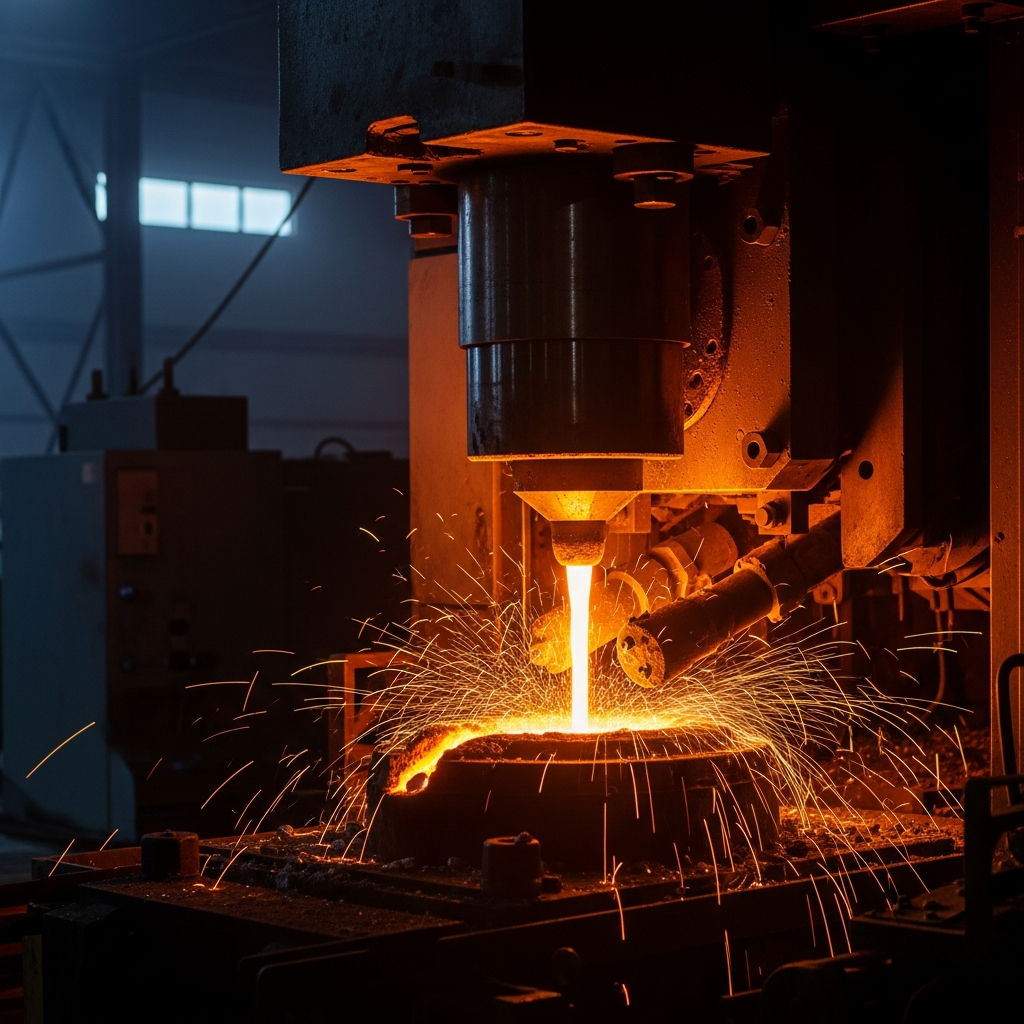
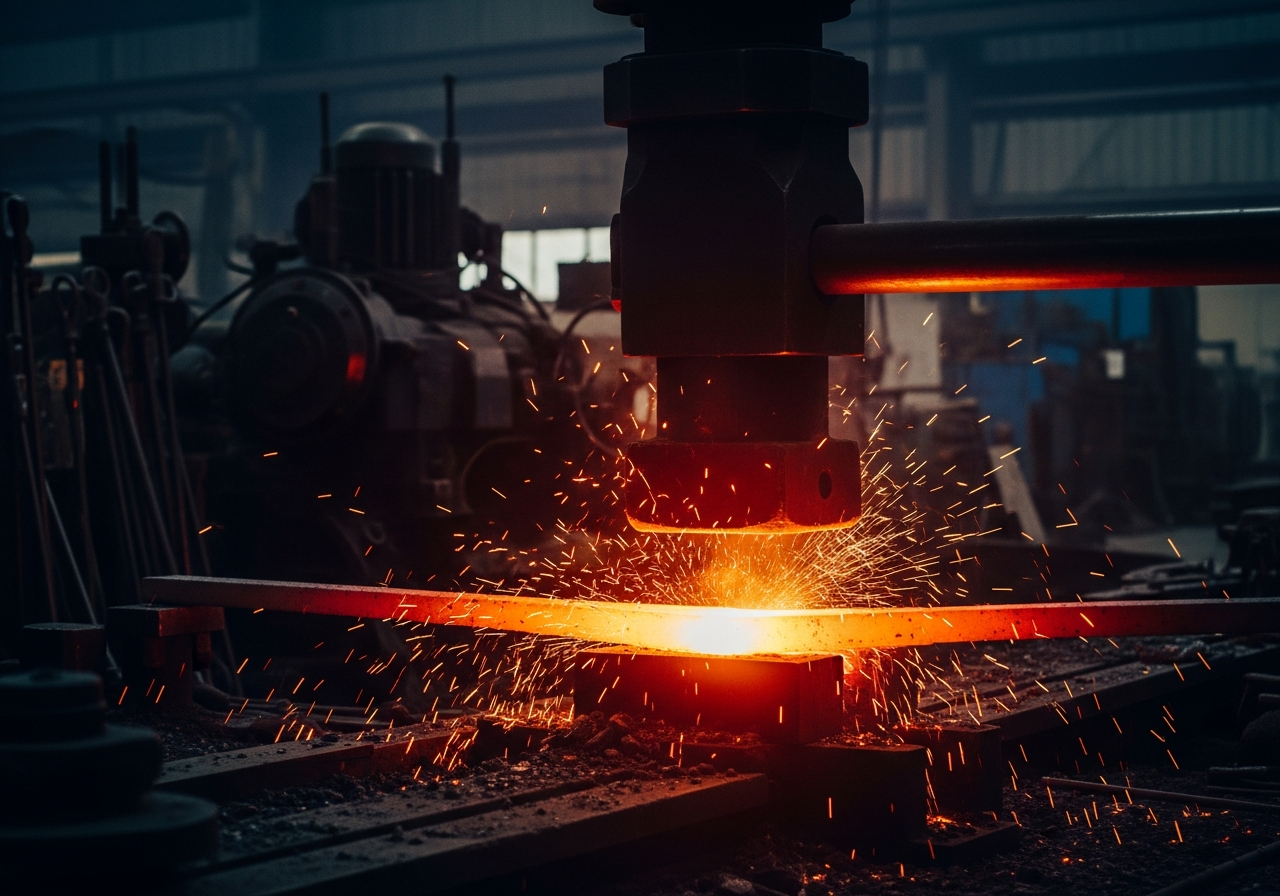
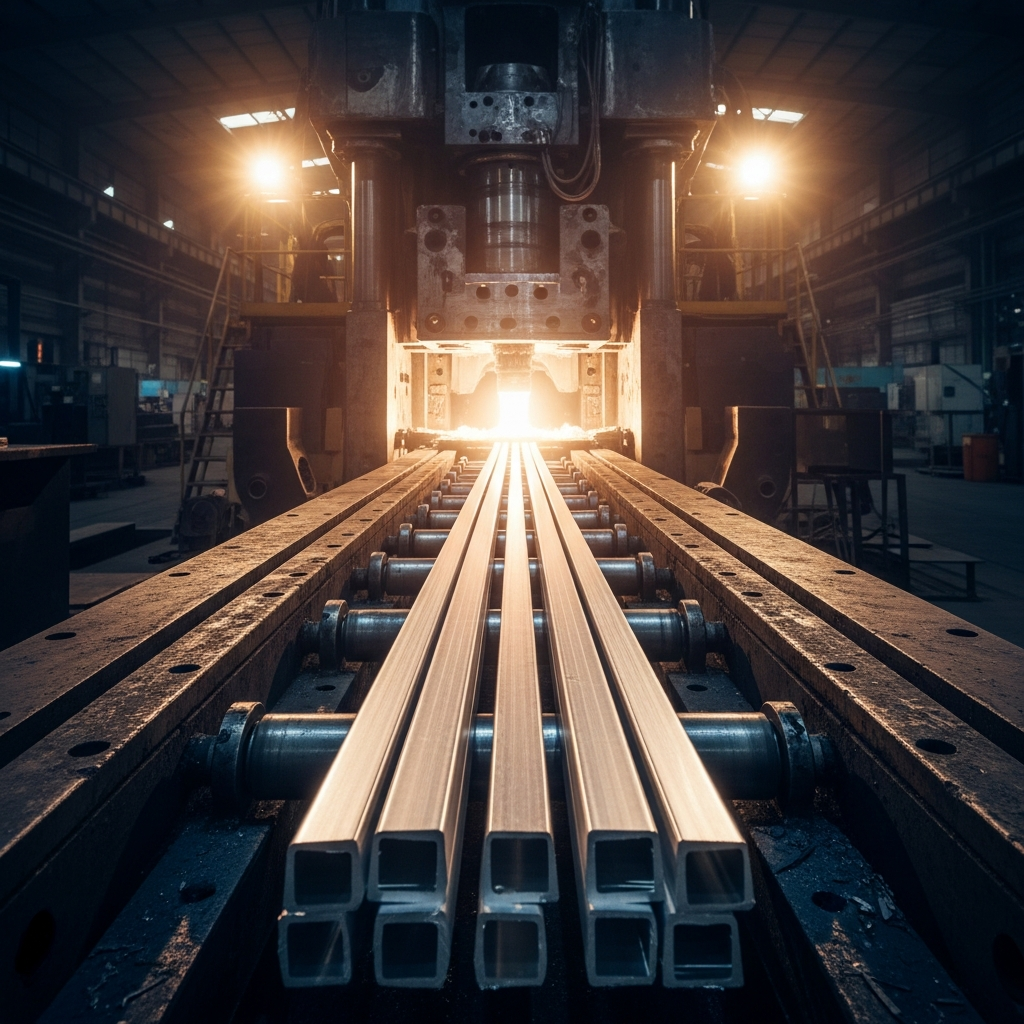
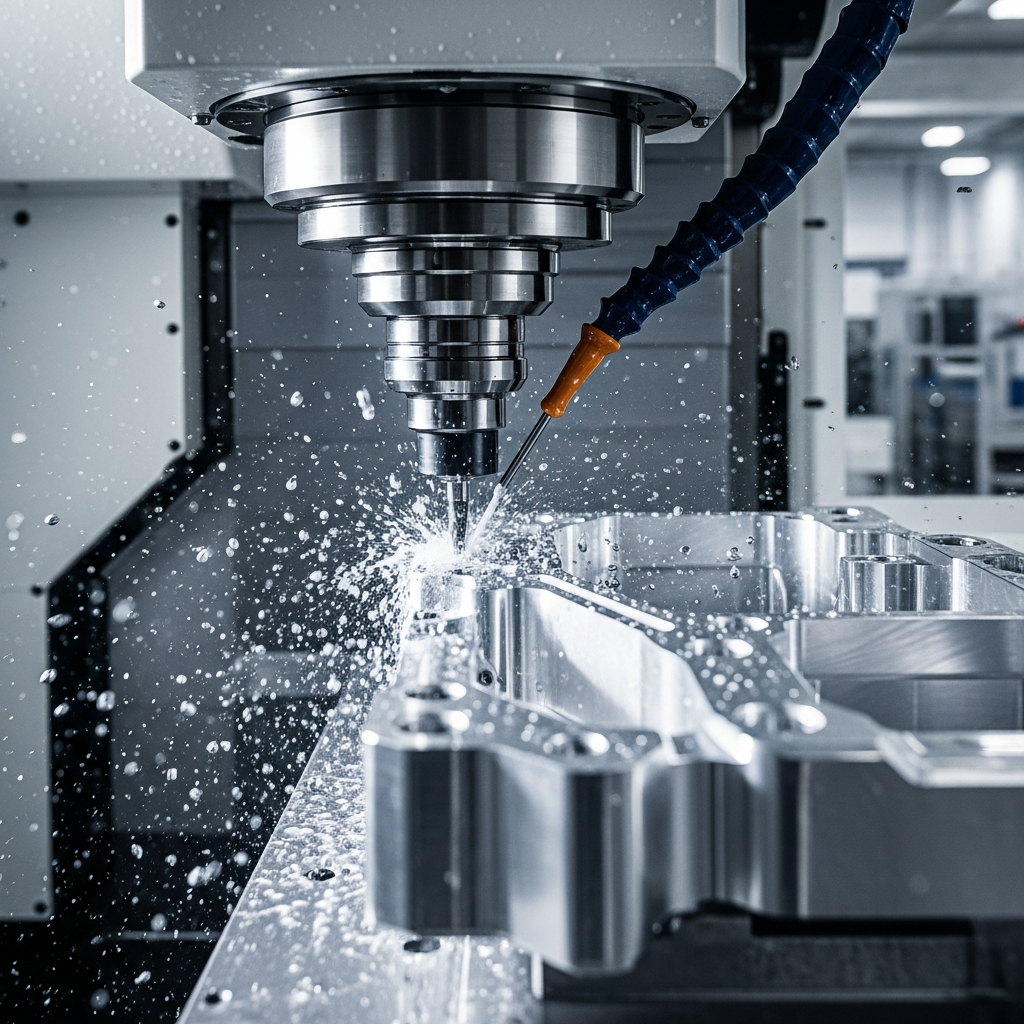
deliver all three, across die casting, forging, extrusion, investment casting, and CNC machining.
We serve both established OEMs scaling new EV lines
and fast-moving EV innovators racing to production — matching each component to the process that
makes it best, and backing it with the global supply chain and quality systems the EV market
demands.
01
Prototype
Rapid prototypes to validate designs
02
Pilot Runs
PPAP-compliant runs to qualify them
03
Volume
Scalable serial production
Trusted by
e-mobility innovators
Spotlight
From prototype to production — engineered for range
EV programs move fast, and the supply chain has
to keep up. MES supports the full journey: rapid prototyping to validate a design, PPAP-compliant
pilot runs to qualify it, and scalable serial production to launch it — without switching partners
along the way.
Speed to production
Rapid prototypes that fast-track EV launches (see the
Harbinger case study below)
Lightweight by design
Aluminum die casting, extrusion, and forging engineered for
range
Thermal at the core
Integrated cooling and heat-management components for battery
and power electronics
Scale on demand
One partner from prototype through high-volume, across three
continents
E-Mobility
Components
The EV parts catalog
MES provides the full aluminum component set for
electric vehicles — each part matched to its optimal process.
Die
casting
CNC
machining
01
E-Drive & Powertrain
Motor
Housing — Die cast + machined; integrated cooling channels for power density.
Inverter Housing — Thin-wall die cast + machined;
designed for electromagnetic shielding.
Reduction Gearbox / Transmission Housing — Die
cast + machined; leak-tight and structurally sound.
Power
Electronics Housing — Die cast + machined; precision interfaces and thermal control.
Developing Rapid Prototypes to Fast-Track
Harbinger’s EV Production — How MES helped a commercial EV manufacturer accelerate from
prototype to production.
EVs require precision aluminum components including motor
housings, inverter and power-electronics housings, battery enclosures and trays, cooling plates and
thermal systems, structural castings and subframes, suspension components, and charging-system
parts.
EV programs use a combination: high-pressure die casting for
motor, inverter, and structural housings; aluminum extrusion for battery enclosures and cooling
plates; forging for high-load suspension and chassis parts; and CNC machining for the precision
interfaces across all of them.
Aluminum offers the strength-to-weight ratio, thermal
conductivity, corrosion resistance, and recyclability EVs require. Because range is directly tied to
vehicle weight, lightweight aluminum components are critical to EV performance and efficiency.
Most commonly through aluminum extrusion with CNC machining and
friction-stir-welded or fastened assembly — producing a lightweight, rigid enclosure that protects
the cells, manages thermal load through integrated cooling, and meets crash-safety requirements.
Gigacasting produces large structural EV sections as
single-piece aluminum castings, reducing assembly complexity, weight, and production time versus
joining many smaller parts. It's an emerging approach for EV underbody and structural components.
MES provides rapid prototyping to validate designs,
PPAP-compliant pilot runs to qualify them, and scalable serial production to launch — with a
dedicated specialist and planner providing single-point accountability, so EV innovators can move
from prototype to volume without switching partners.
Thermal management keeps the battery and power electronics
within their optimal temperature range. Key components include cooling plates, cold plates, heat
sinks, heat exchanger structures, and integrated cooling channels within motor and inverter
housings.
MES sources through IATF 16949-certified suppliers and manages
the full automotive quality chain — PPAP, control plans, FMEA, and material certifications. MES has
also been ISO 9001:2015 certified since 2009 and is a recognized Minority Certified Company through
SCOMBC.
Get Started
Power your e-mobility program
Whether you’re optimizing cost,
improving performance, or scaling to volume, MES has the expertise and global resources to support your EV
projects. Contact us to get started.